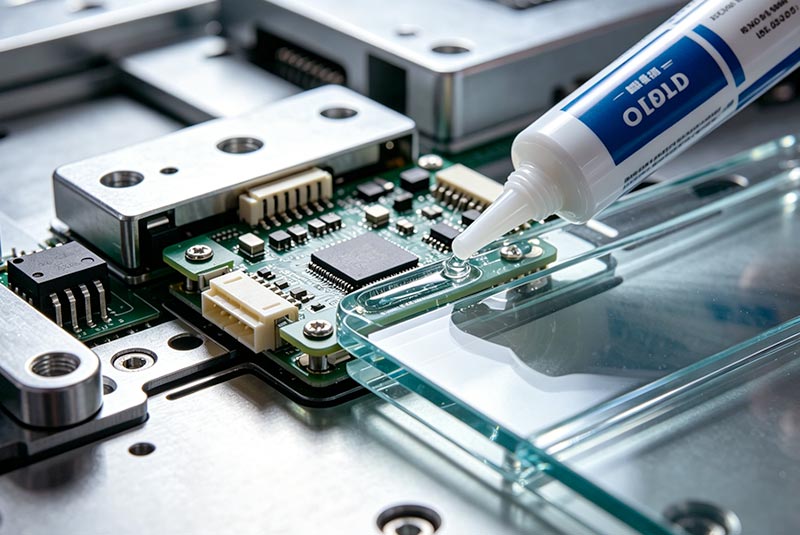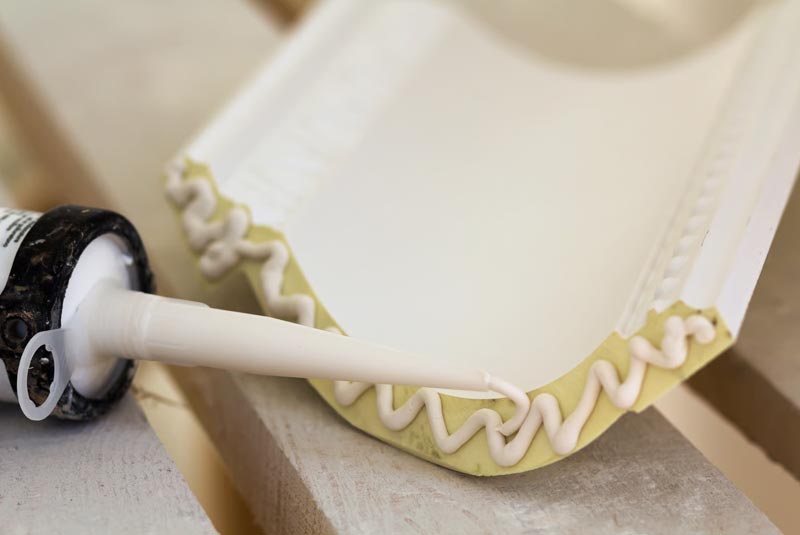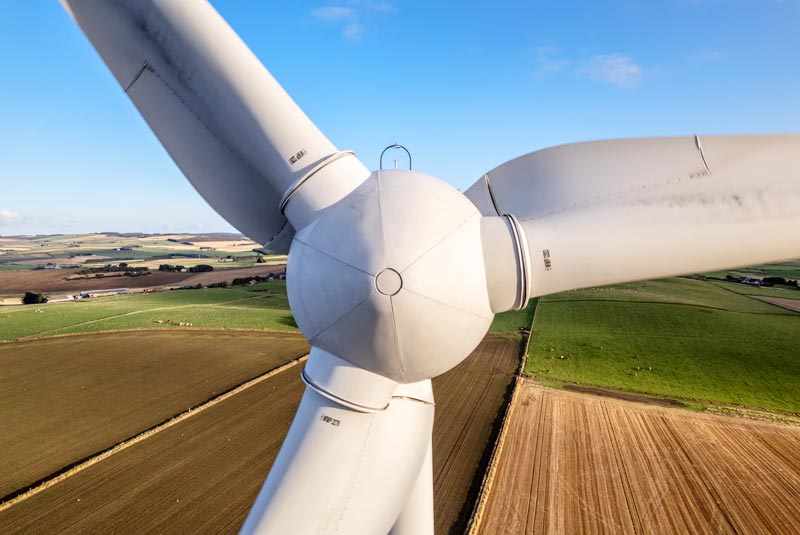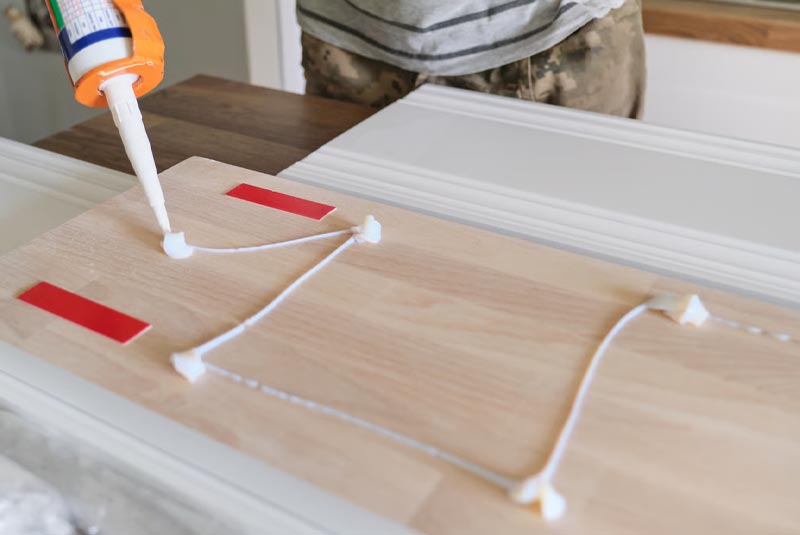
In today’s manufacturing environment, industrial adhesives have become an essential alternative to traditional fastening methods such as welding, riveting, and mechanical screws. From automotive production and electronics assembly to construction and renewable energy projects, adhesive technologies are helping manufacturers achieve stronger bonds, lighter products, and more efficient production processes.
Unlike conventional fastening methods, adhesives distribute stress evenly across bonded surfaces, reducing material fatigue and improving overall structural integrity. This makes them particularly valuable in industries where durability and reliability are critical. For example, automotive manufacturers increasingly use structural adhesives to join lightweight materials such as aluminum and composite panels, helping reduce vehicle weight while maintaining safety standards.
Recent advancements in adhesive formulations have also improved resistance to heat, chemicals, moisture, and vibration. Modern epoxy, polyurethane, acrylic, and silicone adhesives can perform reliably in demanding industrial environments, extending product lifespan and reducing maintenance costs.
As industries continue to pursue automation, lightweight design, and sustainable manufacturing, industrial adhesives are expected to play an even greater role in future production processes. Their versatility, efficiency, and performance make them a key technology driving innovation across multiple sectors.